The MDR is the current Medical Device Regulation (Regulation [EU] 2017/745) for the EU market, which replaced the previous Medical Device Directive (MDD - 93/42/EEC). Like the MDD, the MDR aims at ensuring that medical devices are safe for use (MDR will achieve this with additional requirements versus MDD).
The MDR applies to all medical device manufacturers who intend to place their medical devices (except for in vitro diagnostic devices) on the EU market, including stakeholders involved in the supply and distribution chain.
The MDR came into force on the 25th of May 2017 and became mandatory on the 26th of May 2021 (originally 2020). This will immediately affect all class I medical devices and new or significantly changed higher-class devices. During a grace period ending May 2024, higher-class medical devices (I, II, and III) may continue to be placed on the market, provided no significant changes are made, and provided they still have a valid MDD certificate.
MDR at TENA
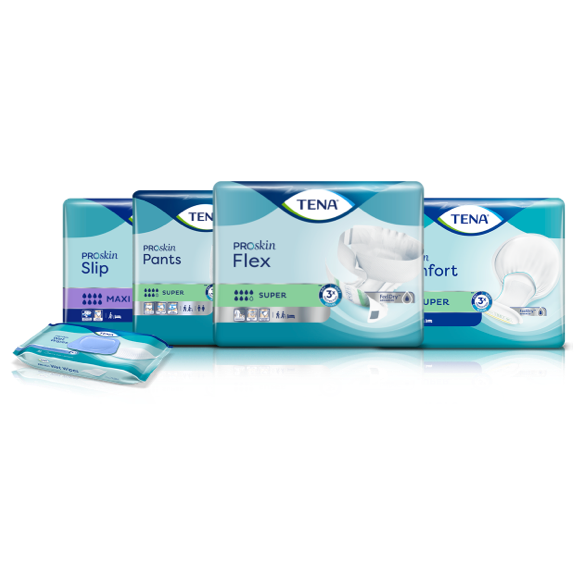
At TENA we’re committed to delivering solutions that focus on patient safety and wellbeing. It’s our opinion that you can’t have enough rules when it comes to safety, and it goes without saying that our entire product assortment has been upgraded to be fully MDR-compliant within the given timelines.
Timeline and implementation steps of MDR
The new MDR requirements came into force already in 2017, and after a transition period ending in May 2021, MDR became mandatory for all class-I devices. Starting May 2024, all higher-class devices on the EU market must also be MDR-compliant.
What are the main benefits?
Below are some of the key benefits of the new Medical Device Regulation, both for healthcare professionals and for end-users.